|
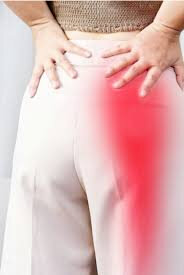 Sciatic nerve pain—often called “sciatica”—is a type of pain that starts in your lower back and travels down one leg. To understand it in simple terms, imagine your body has a long electrical cable running from your lower spine all the way down to your foot. This cable is the sciatic nerve, the largest nerve in your body. When something irritates or squeezes this nerve, you feel pain, tingling, or numbness along its path. Sciatic nerve pain—often called “sciatica”—is a type of pain that starts in your lower back and travels down one leg. To understand it in simple terms, imagine your body has a long electrical cable running from your lower spine all the way down to your foot. This cable is the sciatic nerve, the largest nerve in your body. When something irritates or squeezes this nerve, you feel pain, tingling, or numbness along its path.
The sciatic nerve begins in your lower back, specifically in the lumbar spine, which is the lower part of your backbone. From there, it passes through your hips and buttocks and continues down each leg. Usually, sciatic pain only affects one side of the body. So if your right sciatic nerve is irritated, you’ll feel symptoms mainly in your right leg.
The most common cause of sciatic nerve pain is a problem with one of the discs in your spine. These discs are soft, cushion-like pads that sit between the bones of your spine (called vertebrae). They act like shock absorbers, helping your back stay flexible. Sometimes, a disc can bulge out or rupture—this is called a herniated disc. When that happens, it can press on the sciatic nerve, causing pain.
Another common cause is spinal stenosis, which means the space inside your spine narrows and puts pressure on the nerves. This tends to happen more often as people age. There’s also a condition called piriformis syndrome, where a small muscle in the buttocks (the piriformis muscle) irritates the sciatic nerve. In rare cases, injuries, tumors, or infections can also affect the nerve.
So what does sciatic nerve pain actually feel like? People describe it in different ways. Some say it’s a sharp, shooting pain that travels from the lower back down the leg. Others feel a burning sensation or an electric shock-like feeling. It might come and go, or it might be constant. Sitting for long periods, coughing, or sneezing can make it worse. Standing up or walking might help—or sometimes make it worse, depending on the cause.
In addition to pain, you might feel tingling, like “pins and needles,” or numbness in your leg or foot. Some people even experience muscle weakness, making it hard to move the leg or foot properly. For example, you might find it difficult to lift your foot while walking, a condition sometimes called “foot drop.”
Sciatica can range from mild to severe. Mild cases might feel like a dull ache and go away on their own within a few weeks. More severe cases can be very painful and interfere with daily activities like sitting, walking, or sleeping.
The good news is that most cases of sciatic nerve pain improve without surgery. Treatment usually starts with simple methods. Rest can help, but it’s important not to stay in bed for too long. Gentle movement and light activity are often better for recovery. Applying heat or ice packs to the affected area can also reduce pain and inflammation.
Over-the-counter medications like ibuprofen or acetaminophen can help relieve pain. In some cases, doctors may prescribe stronger medications, muscle relaxants, or anti-inflammatory drugs. Physical therapy is another common treatment. A physical therapist can teach you exercises to strengthen your back and core muscles, improve flexibility, and reduce pressure on the sciatic nerve.
Stretching exercises are especially helpful. For example, stretches that target the lower back, hamstrings, and piriformis muscle can ease tension and improve mobility. Good posture is also important. Sitting with proper support and avoiding slouching can prevent extra strain on your back and nerves.
If pain doesn’t improve after several weeks, more advanced treatments might be needed. These can include steroid injections to reduce inflammation around the nerve. In rare cases, surgery may be recommended, especially if there’s severe nerve compression or loss of bladder or bowel control, which is a medical emergency.
Preventing sciatic nerve pain involves taking care of your spine and overall health. Regular exercise helps keep your back strong and flexible. Activities like walking, swimming, or yoga can be beneficial. Maintaining a healthy weight also reduces stress on your spine. When lifting heavy objects, it’s important to use proper technique—bend your knees, keep your back straight, and avoid twisting.
Your work environment can also play a role. If you sit for long periods, make sure your chair supports your lower back, and try to stand up and move around every hour. Using ergonomic furniture can make a big difference.
It’s also important to listen to your body. If you feel pain in your lower back or leg, don’t ignore it. Early treatment can prevent the problem from getting worse.
In summary, sciatic nerve pain is caused by irritation or pressure on the sciatic nerve, leading to pain that travels from the lower back down the leg. It can feel sharp, burning, or like an electric shock, and may come with tingling or numbness. While it can be uncomfortable and sometimes severe, most cases improve with simple treatments like rest, gentle movement, and physical therapy. Taking care of your back through good posture, regular exercise, and safe lifting habits can help prevent it from happening in the first place.
If you think you are dealing with Sciatica, our Chiropractors are here to help! Click the link below to book your Chiropractic Assessment today :)
This article is for information only and should not be taken as medical advice.
|



 BOOK APPOINTMENT