|
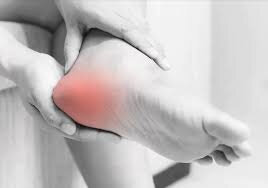 Plantar fasciitis is one of the most common causes of heel pain, especially in adults who spend long periods standing or walking. It involves inflammation or irritation of the plantar fascia, (a thick band of connective tissue that runs along the bottom of your foot) connecting the heel bone to the toes and supporting the arch. Plantar fasciitis is one of the most common causes of heel pain, especially in adults who spend long periods standing or walking. It involves inflammation or irritation of the plantar fascia, (a thick band of connective tissue that runs along the bottom of your foot) connecting the heel bone to the toes and supporting the arch.
What’s really happening in plantar fasciitis?
The plantar fascia acts like a shock absorber and helps maintain the natural arch of your foot. When it’s repeatedly stressed, small tears can develop. Over time, this leads to irritation, stiffness, and pain—especially near the heel where the tissue attaches to the bone.
Despite the name, it’s not always purely inflammation; in many chronic cases, it’s more of a degenerative condition (sometimes called plantar fasciosis).
Symptoms
The most common symptom is heel pain, typically:
- Sharp or stabbing, especially with the first steps in the morning
- Worse after periods of rest (e.g., sitting or driving)
- Eases somewhat with movement, then may return after prolonged standing or walking
- Localized pain near the bottom of the heel, sometimes extending along the arch
It usually affects one foot, but both can be involved.
Common causes and risk factors
Plantar fasciitis develops when the fascia is overloaded beyond its capacity to recover.
Contributing factors include:
1. Overuse and activity patterns
- Long periods of standing (e.g., retail, healthcare jobs)
- Sudden increases in activity (running, walking, or exercise)
- High-impact sports like running or jumping
2. Foot mechanics
- Flat feet (overpronation) or very high arches
- Tight calf muscles or Achilles tendon
- Abnormal gait patterns
These alter how force is distributed through the foot, increasing strain on the fascia.
3. Footwear
- Shoes with poor arch support or cushioning
- Worn-out athletic shoes
- Walking barefoot on hard surfaces
4. Age
- Most common between ages 40 and 60, as tissues lose elasticity
5. Occupational factors
- Jobs that involve prolonged standing on hard surfaces
Treatment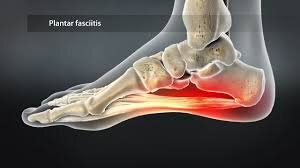
Most cases improve with conservative (non-surgical) treatment, though it can take weeks to months.
1. Rest and activity modification
- Reduce activities that worsen pain
- Switch temporarily to low-impact exercise (e.g., swimming or cycling)
2. Stretching and strengthening
This is one of the most effective treatments.
- Calf stretches (targeting the Achilles tendon)
- Plantar fascia stretches (pulling toes upward to stretch the arch)
- Foot strengthening exercises
Consistency matters—daily stretching can significantly reduce symptoms.
3. Footwear and support
- Wear supportive shoes with good arch support and cushioning
- Avoid walking barefoot on hard floors
- Use orthotics (over-the-counter or custom) to redistribute pressure
4. Ice and pain relief
- Apply ice to the heel for 15–20 minutes after activity
- Over-the-counter anti-inflammatory medications (if appropriate) can help manage pain
5. Night splints
These keep the foot in a stretched position overnight
- Helpful for morning pain
Prevention
To reduce the risk of recurrence:
- Maintain a healthy weight
- Stretch calves and feet regularly
- Wear supportive footwear, especially during long periods of standing
- Replace worn-out shoes
- Increase activity levels gradually
The Bottom Line
Plantar fasciitis is a common and treatable cause of heel pain caused by repeated strain on the plantar fascia. While it can be frustrating and slow to heal, most cases respond well to consistent conservative treatment—especially stretching, proper footwear, and activity modification. Early attention and patience are key to recovery.
This article is for information only and should not be taken as medical advice.
|



 BOOK APPOINTMENT